

|
||||||||||||||||||||||||||||||||||
 |
||||||||||||||||||||||||||||||||||


information | purchases | contact
© 2025-2030 Frederic Dorbes - tobeArt Bookstore & Gallery
General terms and conditions of sale
| |
|
|||||||||||||||||||||||||||||||||||||||||||
| bookstore | artists | themes | fr | en || gallery | ||||||||||||||||||||||||||||||||||||||||||||
|
||||||||||||||||||||||||||||||||||||||||||||
information | purchases | contact © 2025-2030 Frederic Dorbes - tobeArt Bookstore & Gallery |
||||||||||||||||||||||||||||||||||||||||||||
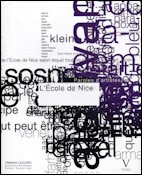
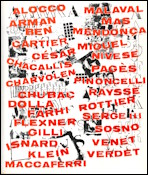
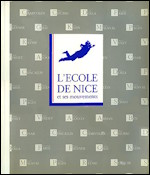
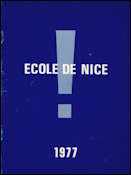
The School of Nice refers to an exceptional artistic flourishing that emerged on the French Riviera in the late 1950s and blossomed during the following decade. Far from being a homogeneous movement with a rigid manifesto, this informal group brought together creators with diverse sensibilities, all driven by a desire to break away from the academic abstraction of the time. Supported by the Riviera's climate of freedom and the energy of a booming local scene, major artists such as Yves KLEIN, ARMAN, CÉSAR, Martial RAYSSE, BEN Vautier, or even Robert MALAVAL, Claude VIALLAT, and Bernar VENET redefined the boundaries of contemporary art from the south of France.
At the heart of the School of Nice's approach was a direct, often subversive relationship with reality and everyday objects, an impulse that materialized during foundational collective exhibitions. Events like the historic 1961 exhibition at the avant-garde gallery Apollinaire in Milan, or the famous "Le Plein" (The Full) exhibition organized by ARMAN at Iris Clert, left a lasting impression. Closely linked to the international movement of New Realism, these artists chose to integrate the nascent consumer society into their works. Whether through ARMAN's accumulations of objects, CÉSAR's car compressions, Martial RAYSSE's flashy plastic assemblages, or Yves KLEIN's monochrome IKB blue paintings, the group appropriated the urban world to make it their raw material.
The collective also distinguished itself through a radical reinvention of the artistic gesture and performance, reaching its peak during milestone festivals and retrospectives. The "School of Nice" exhibition organized in 1967 by the Alexandre de la Salle gallery in Vence, or the First Festival of Current Arts, officialized this effervescence on the national stage. Artists were no longer satisfied with the traditional canvas; they took over the streets, organized provocative happenings, and used humor as a conceptual weapon, much like BEN and his famous white handwriting on black backgrounds installed in his laboratory-shop on Rue Tonduti de l'Escarène. This behavioral approach transformed creation into a living event, where the artist's attitude mattered as much as the final art object.
Today, the School of Nice is recognized as one of the pillars of the post-war European avant-garde, a recognition celebrated during major commemorative exhibitions, notably at the Museum of Modern and Contemporary Art (MAMAC) in Nice. By blending the insolence of Pop Art with the rigor of conceptual art and the early stages of the Supports/Surfaces movement with VIALLAT, this crossroads of talent shifted the center of gravity of art away from traditional Parisian galleries. Their works, characterized by audacity, the subversion of the everyday, and an insatiable visual freedom, remain the witnesses of an era when the French Riviera became the laboratory for all things daring.
"The SCHOOL of Nice? Is it not a School? Nor a Movement? Forgive me, learned people, because when it is not a School it is a Movement, and when it is no longer a Movement it becomes ipso facto a School again! In fact, as we suspected of course, it could be a bit of both! And to those who do not know how to appreciate it, the gloomy or absent minds, it returns the favor:
"I am the Movement of the School of Nice, its freedom, its dynamics. I am driven out from here, and here and there I am again!"
Inventive, creative, amused and amusing, nothing stops its course, not even reluctance. Let's dare to say it: there is still a little—a big!—something more here than in St Omer, Glasgow, Brussels, or Turin! And perhaps even than in the capital of arrogance, Paris!"
Alexandre de la Salle - 1997