

|
||||||||||||||||||||||||
 |
||||||||||||||||||||||||

information | purchases | contact
© 2025-2030 Frederic Dorbes - tobeArt Bookstore & Gallery
General terms and conditions of sale
| |
|
|||||||||||||||||||||||||||||||||
| bookstore | artists | themes | fr | en || gallery | ||||||||||||||||||||||||||||||||||
|
||||||||||||||||||||||||||||||||||
information | purchases | contact © 2025-2030 Frederic Dorbes - tobeArt Bookstore & Gallery |
||||||||||||||||||||||||||||||||||
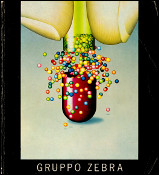
The ZEBRA Group was an artist collective founded in 1965 in Hamburg, Germany, by painters DIETER ASMUS, PETER NAGEL, DIETMAR ULLRICH, and NIKOLAUS STORTENBECKER. Later joined by sculptors CHRISTA BIEDERBICK and KARLHEINZ BIEDERBICK, these creators united in reaction against the absolute dominance of abstraction and post-war Art Informel. They sought to reinvent figuration by developing a visual language radically anchored in the contemporary world.
The movement's aesthetic is characterized by a rigorous and formalized realism, often described as German "New Realism." The group's artists drew inspiration from modern communication techniques, using photographic framing, advertising clarity, and sharp blocks of color to freeze scenes from daily life, athletes, or still lifes. This methodical and almost clinical approach lends their works a strange and distanced atmosphere, where familiar subjects suddenly become monumental and enigmatic.
The year 1971 marked a major milestone in their history with the publication of their official manifesto, which formalized their theories on the necessity of an objective figuration and an art accessible to the public. The group asserted its determination to restore the clarity of the object in the face of surrounding chaos, refusing simple mimicry to favor a geometric and rigorous reconstruction of reality based on pre-existing photographic documents.
The collective gained international recognition through numerous group exhibitions across Europe and the United States during the 1970s and 1980s, establishing itself as one of the major currents of contemporary realism in Germany. Although individual paths evolved over the years, the legacy of the ZEBRA Group remains an essential reference in the art history of the second half of the 20th century for its decisive contribution to the revival of figurative painting.